

Backflow Service
Tests, repairs, or installs devices that help prevent contaminated reverse water flow, matched to licensed local plumbers certified for backflow testing.
Other Services
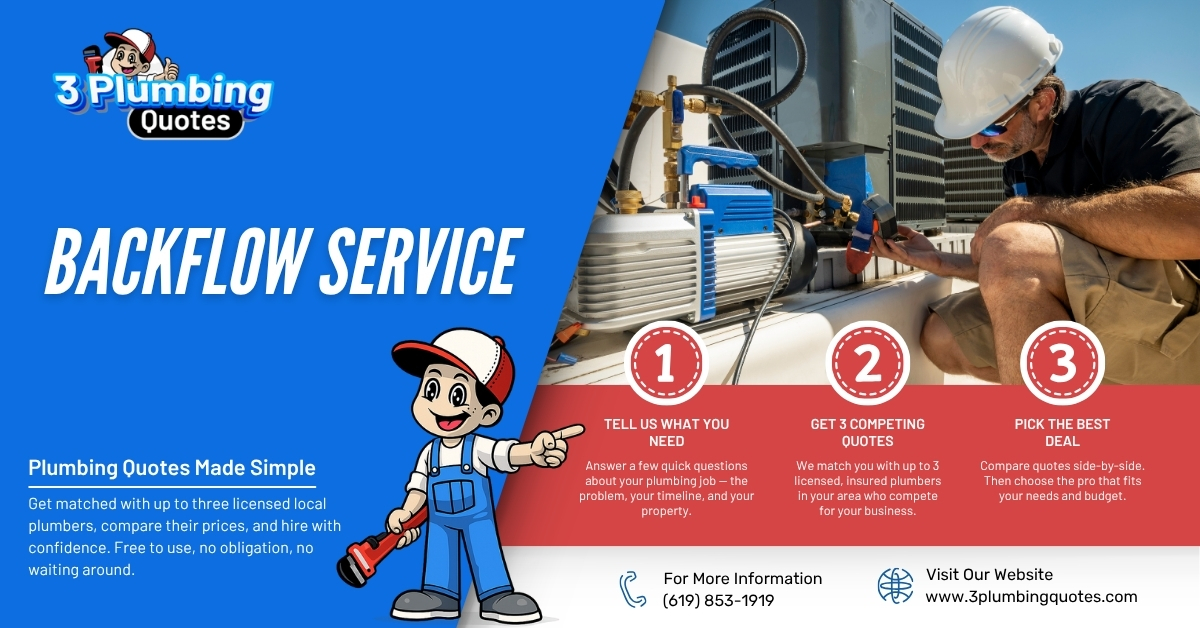
Why Backflow Prevention Is Often Required, Not Optional
Backflow prevention devices stop contaminated water from flowing backward into your home’s clean water supply, a risk that can happen during pressure changes like a water main break or heavy usage nearby. Many jurisdictions require annual testing of these devices, especially for homes with irrigation systems, pools, or certain plumbing configurations.
Backflow prevention exists for the one time pressure drops the wrong way, and it matters that it works that one time.
When Backflow Service Comes Up
These situations are common reasons homeowners need this service.
- Your city or water utility requires annual backflow device testing
- You have an irrigation system that requires a backflow preventer
- You’re installing a pool or other system that needs backflow protection
- Your existing backflow device failed a previous test
- You’re buying or selling a home and backflow compliance was flagged
What to Prepare Before Requesting Backflow Service
Testing must be done by a certified professional, but a little prep helps.
- Check with your local water utility on your specific testing requirements and deadlines
- Locate your existing backflow device if you have one, often near where irrigation lines connect
- Keep records of past testing, some jurisdictions require submission of results
- Ask whether the plumber is certified to perform backflow testing in your specific city

Why Compare Quotes Instead of Calling Just One Plumber
Here’s what matters when comparing backflow service quotes:
- Matched with licensed, certified plumbers qualified to test and report backflow compliance
- Compare pricing for testing, repair, or new installation
- Free to use, with zero obligation to hire anyone you're matched with
Backflow compliance is often a requirement, not a choice, but the plumber you choose to handle it is still up to you. Comparing quotes takes just a few minutes.
Tell Us What You Need
Answer a few quick questions about your plumbing job — the problem, your timeline, and your property.
Get 3 Competing Quotes
We match you with up to 3 licensed, insured plumbers in your area who compete for your business.
Pick the Best Deal
Compare quotes side-by-side. Check pricing, warranties, and reviews, then choose the pro that fits your needs and budget.
Everything You Need to Know About Backflow Prevention.
How much does backflow testing or repair cost?
Backflow preventer testing typically costs less than a hundred dollars in most areas, while repair or full device replacement can run several hundred dollars depending on the type of backflow assembly installed. Many municipalities require annual testing, so the ongoing cost is generally predictable once the device is installed. Comparing quotes from licensed local plumbers ensures you’re not overpaying for either the test or any needed repairs. 3PlumbingQuotes.com connects you with plumbers familiar with your local backflow testing requirements, the same network you can use for a broader plumbing inspection.
What is a backflow preventer and why does my home need one?
A backflow preventer is a device that stops contaminated water from flowing backward into your home’s clean water supply, which can happen due to sudden pressure drops in the municipal system or cross-connections with irrigation, pools, or other water sources. Without this protection, contaminated water could potentially enter the drinking water used throughout the house. Many local codes require backflow prevention on irrigation systems, pools, and certain plumbing setups specifically to protect public water safety. A licensed plumber can determine whether your home needs one installed or already has one that needs testing, especially alongside other water shutoff valve and pressure equipment on the property.
How often does a backflow preventer need to be tested?
Most municipalities require annual backflow testing, though some jurisdictions with stricter codes may require it more often, especially for irrigation systems or commercial-adjacent properties. Skipping required testing can result in fines or a notice from your local water authority, in addition to the safety risk of an untested device. A licensed plumber familiar with your local requirements can perform the test and file any necessary paperwork with the municipality. Keeping a record of annual tests also helps if you ever sell the property, much like scheduling routine plumbing maintenance visits.
What are signs my backflow preventer isn't working properly?
Visible leaking or dripping from the device, discolored water, unusual taste or odor, or a failed annual test are all signs your backflow preventer needs attention. Because this device exists specifically to prevent cross-contamination, any sign of malfunction should be treated seriously and addressed quickly. A licensed plumber can inspect the assembly and determine whether a simple repair or full replacement is needed. Delaying repairs can put both code compliance and water safety at risk, so pair this with leak detection if you notice unexplained water loss nearby.
Is backflow testing required by law, or is it optional?
In most areas, backflow testing is legally required for certain plumbing configurations, particularly irrigation systems, fire sprinkler connections, and any setup with a potential cross-connection to a non-potable water source. Requirements vary by city and county, so it’s worth confirming what applies specifically to your property. A licensed plumber familiar with local code, whether you’re in San Diego County or another service area, can confirm your exact testing obligations. Staying current on testing also protects you from potential fines from the local water authority.
How long does it take to install or replace a backflow preventer?
Installing or replacing a backflow preventer typically takes one to three hours depending on the type of device and its location, such as near an irrigation line or the main water line entering the home. More complex commercial-grade assemblies can take longer, especially if additional piping work like pipe rerouting is needed to fit the new device. A licensed plumber matched through 3PlumbingQuotes.com can give an accurate time estimate after assessing your specific setup. Testing is usually completed in the same visit once installation is finished.
Can a faulty backflow preventer actually contaminate my drinking water?
Yes, that’s precisely the risk a backflow preventer is designed to eliminate. Without a properly functioning device, contaminated water from irrigation systems, pools, or other cross-connections could potentially flow backward into the home’s clean water supply during a pressure drop. This is why annual testing and prompt repair of any failed device matters for household health and safety. A licensed plumber can also recommend a water quality test if you’re concerned contamination may have already occurred.
Does my irrigation system need its own separate backflow preventer?
Yes, irrigation systems are one of the most common sources of required backflow prevention since they connect directly to outdoor soil, fertilizer, and standing water that could otherwise flow back into the home’s supply. Most local codes specifically require a tested backflow device at the point where irrigation lines connect to the main water line. A licensed plumber can install and test this device separately from any backflow protection elsewhere in the home. Keeping irrigation and household plumbing properly separated protects your entire water supply, the same principle behind properly isolating a water softener or water filtration system.